Loading...
Serving Cheyenne, WY and surrounding areas. (307) 475-1948
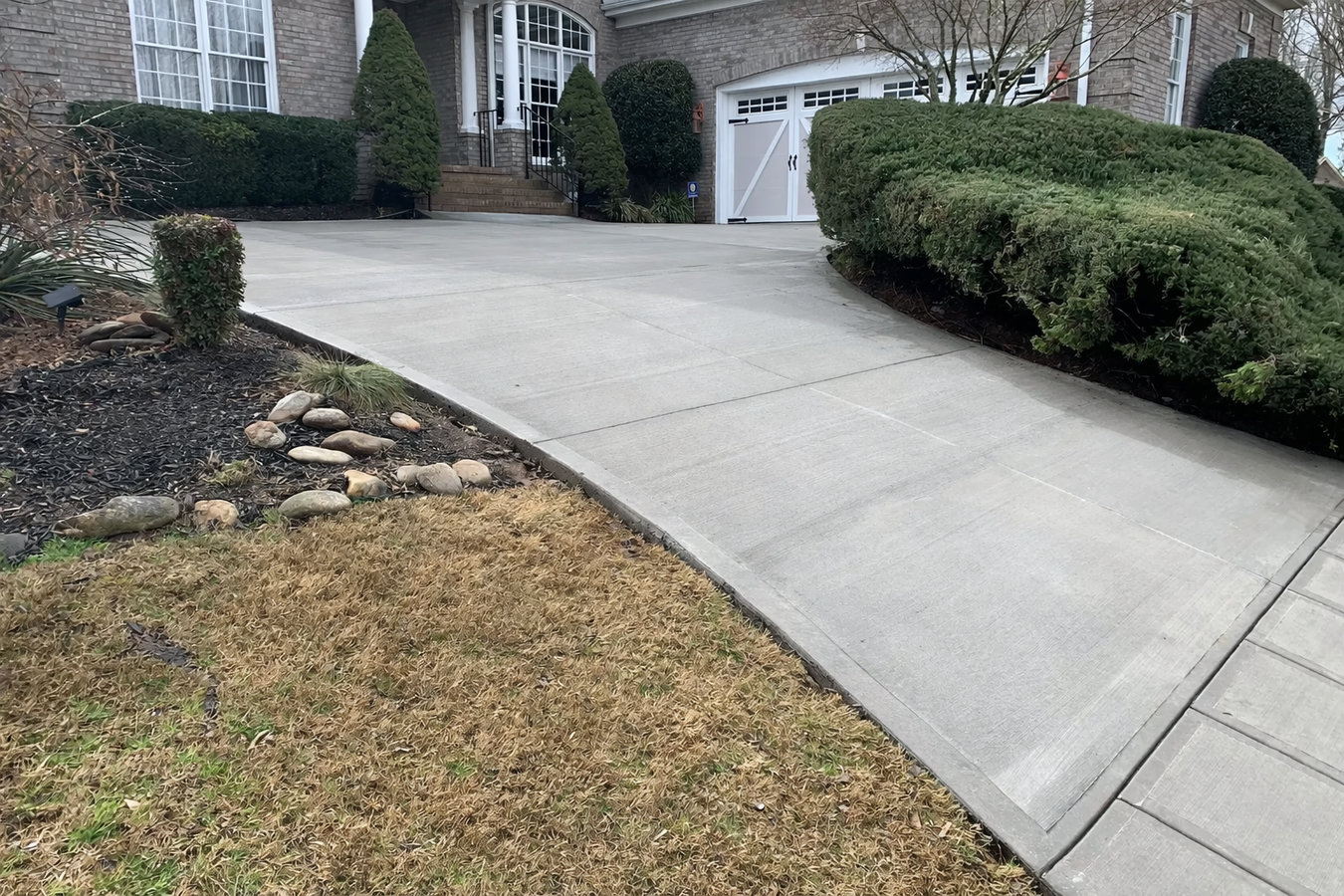
Premier Cheyenne Concrete provides concrete contractor services in Loveland, CO, including driveway building, patio construction, and sidewalk replacement - responding to new inquiries within 1 business day.
Loveland's ranch-style homes - common throughout the neighborhoods built between the 1960s and 1990s - typically have long driveways with a lot of flatwork surface area that takes the brunt of 50-plus inches of annual snowfall. We build concrete driveways with cold-climate mixes and proper base prep so the surface holds up through Loveland's hard freeze-thaw winters, not just the first season.
Loveland homeowners invest in outdoor space - the city has more than 300 pieces of public art and a culture that takes exterior appearance seriously. We pour patios with proper drainage and control joints so the surface stays level and crack-free through the repeated freeze-thaw cycles that show up every spring.
Older in-town Loveland neighborhoods - many built before 1970 - have original sidewalk panels that have been through decades of freeze-thaw stress and are now cracked or heaved. Replacing damaged panels keeps walkways safe and satisfies city maintenance requirements before they become a code issue.
Loveland sits along the Front Range foothills, and many properties - especially those near the western edge of the city - have sloped lots where soil movement and erosion are ongoing concerns after spring snowmelt. Concrete retaining walls hold grade changes in place and protect landscaping and structures from shifting ground.
Entry steps on Loveland homes built in the 1940s and 1950s - the older brick and wood-frame houses near downtown - have been through 70-plus winters and often show it in cracked, shifted treads. New concrete steps built to current frost-depth standards are a safety and curb-appeal upgrade that lasts for decades.
Loveland averages around 50 to 55 inches of snow per year and sits at nearly 5,000 feet elevation, where hard freezes typically begin in October and can hold through April. That extended cold season creates repeated freeze-thaw cycles - temperatures dip below 20 degrees Fahrenheit overnight, rise above freezing during the day, and repeat. Each cycle pushes water deeper into any crack or pore in concrete, expands it from the inside, and makes the damage a little worse. A contractor using a standard concrete mix built for a milder climate will leave Loveland homeowners with flatwork that starts crumbling within a few seasons.
The housing stock adds another layer of complexity. Loveland's older neighborhoods near downtown have homes built in the 1940s and 1950s with original brick or brick-accent exteriors and aging foundations that require a different approach than the newer subdivisions out by the Centerra area on the east side of I-25. Those Centerra-area homes, mostly built from the 1990s onward, are now 15 to 25 years old and entering their first major concrete replacement cycle - driveways, patios, and walkways that were poured once and never maintained. At nearly 5,000 feet, UV radiation is stronger than most homeowners expect, which breaks down surface sealants faster and makes regular resealing more important here than in lower-elevation Colorado cities.
We pull permits from the City of Loveland Building Division for projects that require them, which includes driveways connecting to public streets, structural flatwork, and foundation work. Working in Loveland means understanding that the building stock varies a lot depending on which part of the city you are in - older brick homes near downtown need different base prep and care than the two-story stucco builds going up on the southwest side of the city.
The major roads we travel frequently include US-34, which cuts east-west through the city and serves as the main corridor to the Big Thompson Canyon and Rocky Mountain National Park, and I-25, which runs along the eastern edge of the city. Loveland's identity as an arts community - home to the Benson Sculpture Garden in Mehaffey Park - reflects the care residents take with exterior appearances, which carries over to how they approach driveways, patios, and walkways.
We also serve homeowners in Fort Collins to the north and Greeley to the east - both within easy reach of our Loveland crews.
We respond to new inquiries within 1 business day and schedule a time to visit your property in person. A quick on-site look at your driveway, patio, or foundation tells us far more than photos can.
We measure the area, check the existing base conditions and drainage, and give you a written estimate that covers all costs - demolition, materials, labor, and any permit fees - before you commit to anything. No surprise line items once work starts.
We handle any required City of Loveland permit on your behalf. Then we demolish the old surface, compact the base, and pour using a cold-climate mix suited to Loveland's elevation and freeze-thaw winters. The pour itself is typically completed in a single day for most residential projects.
After the concrete cures - at least seven days before vehicle traffic - we walk the finished work with you and explain how to care for it through the first Loveland winter, including what deicers to avoid on fresh concrete.
We serve Loveland homeowners across all neighborhoods - from the older in-town streets to the newer Centerra-area subdivisions. Reach out and we will get back to you within 1 business day.
(307) 475-1948Loveland is a city of about 78,000 people in Larimer County, positioned between Fort Collins and Denver along the Front Range. The city is widely known as a hub for sculpture and public art, with more than 300 pieces displayed throughout town and the Benson Sculpture Garden as one of its most visited landmarks. It also serves as the eastern gateway to Rocky Mountain National Park via US-34 through the Big Thompson Canyon - a route most Loveland residents know well. Major employers including Hewlett Packard Enterprise, Woodward Inc., and Banner Health have kept a stable, long-term population in the city, with a homeownership rate around 65 to 68 percent.
The housing stock reflects the city's growth across many decades. Older neighborhoods near downtown - many built in the early 1900s through the 1950s - feature brick exteriors or brick-accent facades on solid but aging structures. The mid-century neighborhoods from the 1960s through the 1980s tend toward ranch-style and split-level homes with large concrete flatwork areas. Newer subdivisions on the southwest side and out by the Centerra area along I-25 were mostly built after 2000 and are now reaching their first major maintenance cycle. Nearby, Greeley sits about 25 miles to the east, and we serve both communities. We also work regularly in Fort Collins, just 15 miles to the north along I-25.
Durable concrete driveways built to withstand harsh Wyoming winters.
Learn moreSafe, level concrete sidewalks for residential and commercial properties.
Learn moreArtistic concrete finishes that elevate curb appeal and property value.
Learn moreSturdy concrete retaining walls that control erosion and grade changes.
Learn moreProfessional concrete floor installation for homes and commercial spaces.
Learn moreSlip-resistant, attractive concrete pool decks built for safety and style.
Learn moreStructurally sound concrete steps crafted for safety and lasting appeal.
Learn moreSolid concrete slab foundations engineered for long-term structural support.
Learn moreExpert foundation installation using proven methods and quality materials.
Learn moreHeavy-duty concrete parking lots designed for high-traffic commercial use.
Learn moreServing these cities and communities.
Whether your driveway has cracked through another winter or you are ready to add a new patio, our crew serves all of Loveland and responds within 1 business day.