Loading...
Serving Cheyenne, WY and surrounding areas. (307) 475-1948
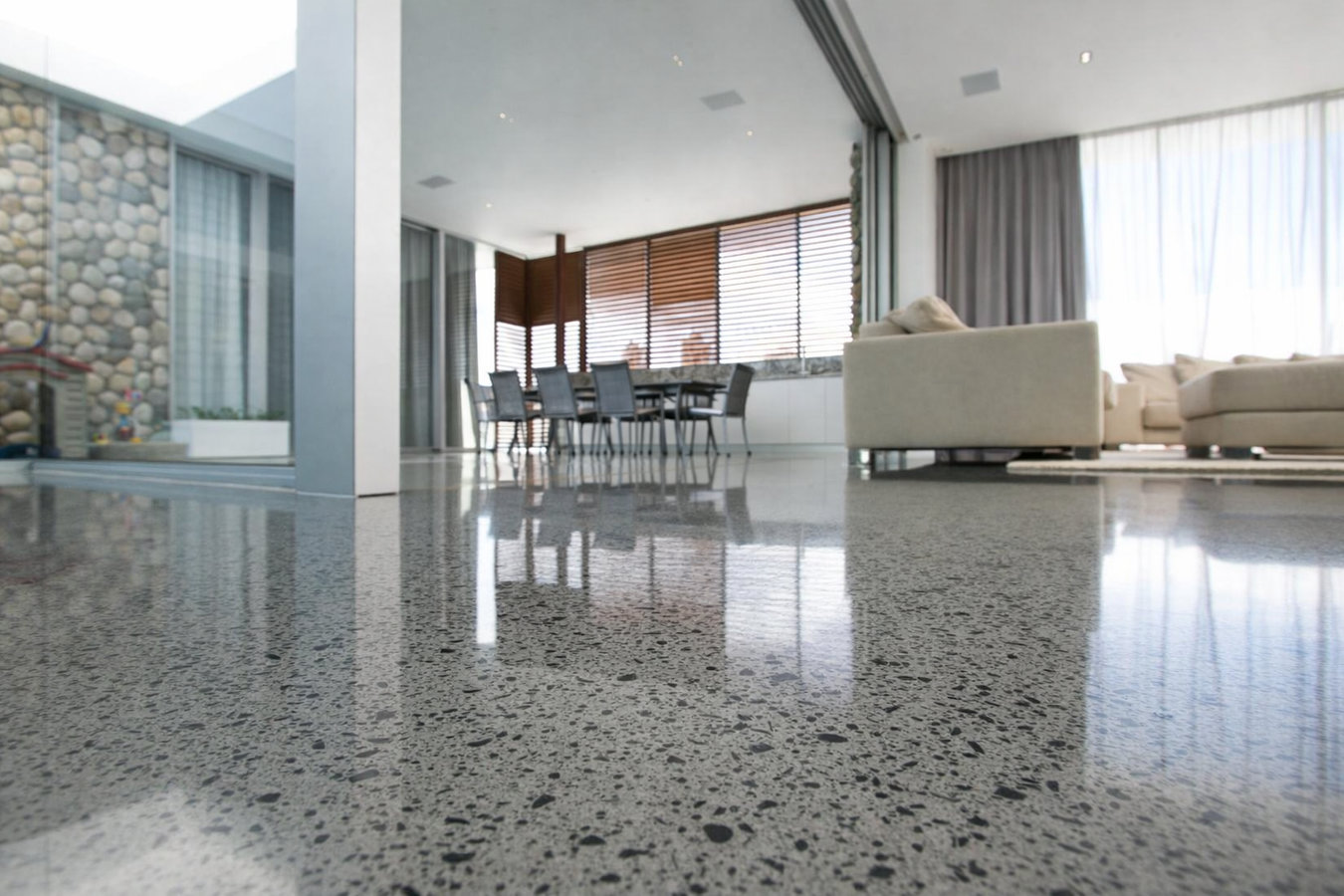
Cracked, heaving, or damp basement and garage floors? A properly prepared concrete floor handles Cheyenne clay soils, moisture, and hard winters without cracking in year two.
Concrete floor installation in Cheyenne covers leveling, compacting, and grading the ground underneath, then pouring a properly reinforced slab with a vapor barrier and the right mix for cold-climate conditions - most residential projects take one to three days to pour, with a 24 to 48 hour wait before walking on it and a full month before heavy loads.
For Cheyenne homeowners, what happens under the slab is just as important as the pour itself. The clay-heavy soils across most of Laramie County swell with moisture and shrink when dry - that movement cracks floors that were not prepared for it. A gravel base and moisture barrier are not optional extras in this area. They are what separates a floor that lasts 30 years from one that needs patching every spring.
If your project involves an attached or detached garage, coordinating with garage floor concrete work means you get thickness, reinforcement, and drainage planned specifically for vehicle loads rather than a one-size approach.
If you have filled the same crack more than once and it keeps returning, the problem is the slab, not the patch. In Cheyenne, this pattern is often caused by clay soil shifting with seasonal moisture. A floor that keeps cracking in the same places needs replacement, not more filler.
White powdery residue, or spots that feel slightly damp in dry weather, mean moisture is moving up through the slab from below. This is common in older Cheyenne homes built without a vapor barrier. Left alone, it causes mold, rust, and damage to any finished flooring laid on top.
If part of your floor has risen or tilted so a ball would roll across it on its own, the soil underneath has shifted. In Cheyenne, expansive clay soils swell after a wet season and push floor sections upward. A floor heaved this significantly cannot be ground flat - the slab needs to be replaced.
If the top layer is flaking off or feels soft and sandy underfoot, the surface has deteriorated past the point where a coating holds. This is common in older Cheyenne homes where the original mix was not designed for repeated freezing and thawing. A new pour is the only lasting fix.
We pour concrete floors for garages, basements, utility rooms, workshops, and new construction across Cheyenne. Every project includes subgrade compaction, a gravel drainage base, and a vapor barrier before the concrete goes in. We pour at the right thickness for the intended use - four inches for standard residential floors, five to six inches where heavy vehicles or equipment will sit. Control joints are cut before the slab fully hardens to guide any shrinkage cracking into straight, manageable lines.
We can also coordinate with adjacent work. If your project includes a garage and an outdoor slab, we can tie in garage floor concrete to match thickness and drainage across both surfaces. For projects near a pool or outdoor area, we can connect floor installation to concrete pool decks so grading and drainage are planned as one system rather than separately.
For homeowners replacing a cracked or deteriorated garage floor - poured at the right thickness with reinforcement and a vapor barrier to handle vehicle traffic and Wyoming winters.
For older Cheyenne homes where the original slab was thin, unreinforced, or poured without moisture protection - a full replacement that fixes the underlying cause, not just the surface.
For new detached garages, workshops, or basement additions - poured on a properly prepared base so the floor is right from the first day, not something that gets fixed later.
For basements, finished spaces, or any area where plain concrete is not the look you want - polished, stained, or resurfaced finishes that change how the space looks and feels.
Cheyenne's combination of high altitude, dry air, strong winds, and clay soils creates conditions that make concrete floor installation more demanding than in lower-elevation or more temperate cities. The low humidity and persistent wind pull moisture out of fresh concrete faster than normal, causing surface cracking before the slab has time to cure - something experienced local contractors manage by working quickly and using curing compounds or covers on windy days. A significant share of Cheyenne's housing stock was built between the 1940s and 1980s, and many of those homes have original basement floors that were poured thin, without reinforcement, and without a moisture barrier. The EPA's moisture control guidance explains why vapor barriers matter for below-grade slabs - especially in climates like Cheyenne's where temperature swings drive moisture movement.
We serve Cheyenne and the surrounding region, including Laramie and Fort Collins. The clay soil and freeze-thaw challenges are consistent across this region, and our floor prep process accounts for them on every project - not just the ones where the customer knows to ask.
We respond within 1 business day. We will ask about the space, its size, and whether there is an existing floor that needs to come out - so we come to the estimate prepared.
We assess the space, check access for equipment and materials, note signs of moisture or uneven soil, and give you a written quote covering base prep, the pour, any demo needed, and permit coordination.
If a permit is required by the City of Cheyenne, we handle the application. Once approved, we break out any existing floor, grade and compact the ground underneath, add a gravel drainage layer, and lay a plastic moisture barrier before any concrete is poured.
Concrete is poured in sections, smoothed, finished, and cut with control joints before it fully hardens. You can walk on the floor within a day or two - plan to wait a full month before parking a vehicle or placing heavy equipment on it.
We respond within 1 business day. No obligation - just an honest look at your space, a written quote covering scope and permit status, and clear answers about what the job actually involves. After you submit, someone from our office will call to schedule a free on-site visit.
(307) 475-1948We install a vapor barrier under every basement and garage floor we pour. Many Cheyenne homes built before 1980 never had one - and it shows in damp floors, white deposits, and mold. Every floor we pour includes this protection from day one.
Cheyenne's clay-heavy soils move with moisture. We compact the subgrade and add a gravel base layer sized for local conditions before every pour. This is the step most commonly skipped on cheap bids - and the one most responsible for floors that crack within a few years.
We pull permits and schedule city inspections on every project that requires them. A permitted floor has been reviewed by a third party - that protects you when you sell the home and ensures the work was done to a verifiable standard, not just our word.
A large share of Cheyenne homes were built between the 1940s and 1980s, and many have original basement floors that were thin, unreinforced, and poured without moisture protection. We have replaced these floors across established Cheyenne neighborhoods and understand what those projects actually involve. The National Ready Mixed Concrete Association publishes mix quality standards directly relevant to long-term floor performance in freeze-thaw climates.
A concrete floor is only as good as everything that went into it before the pour - the base, the vapor barrier, the reinforcement, and the mix design. That preparation work is what we focus on, because it is what determines how your floor performs five, ten, and twenty years from now.
Durable, slip-resistant concrete pool decks designed for Cheyenne's climate and outdoor conditions.
Learn moreGarage floor pours with the right thickness, reinforcement, and mix design for Wyoming winters and heavy vehicle use.
Learn moreSummer is Cheyenne's best window for concrete work and contractor schedules fill fast. Reach out now to hold your spot before the season is booked.