Loading...
Serving Cheyenne, WY and surrounding areas. (307) 475-1948
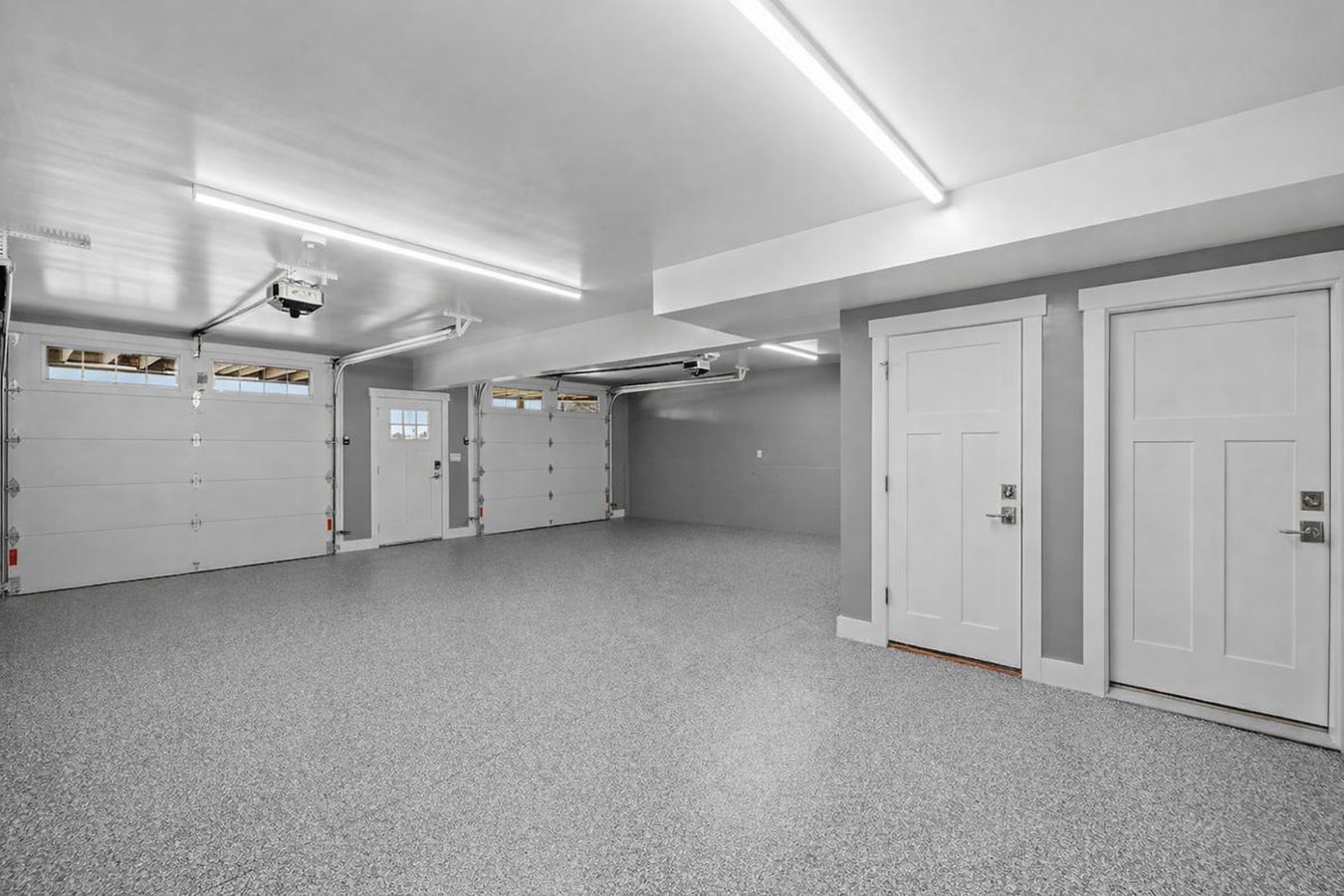
Premier Cheyenne Concrete serves Thornton, CO homeowners with garage floor replacement, concrete driveways, and flatwork that accounts for the clay soil movement and freeze-thaw cycles that crack Front Range concrete - returning your estimate within 1 business day.
A lot of Thornton homes built in the late 1990s and early 2000s now have garage floors at the age where clay soil movement and 25-plus Colorado winters have pushed them past the repair threshold. Our garage floor concrete work includes proper base compaction and a pour thickness matched to Thornton's ground conditions, so the finished floor does not repeat the same cracking and settling pattern as the one it replaces.
Thornton's population roughly doubled between 1990 and 2020, which means a large share of the city's driveways were poured during that period and are now entering the 20-to-30-year range where Front Range concrete commonly fails. The expansive clay soil underneath those slabs has been moving since day one, and the accumulated effect of that movement shows up as heaving, cracking, and uneven sections that are past the point where patching holds.
Thornton gets around 300 sunny days a year at over 5,000 feet of elevation, which makes outdoor living genuinely appealing but also means UV radiation breaks down unsealed concrete surfaces faster than most homeowners expect. A patio poured with the right pitch, the right mix design, and a proper sealer applied after curing holds its look and structural integrity through Colorado's temperature swings rather than scaling and fading within a few seasons.
Active new construction continues in Thornton's northern areas near 144th Avenue and beyond, and slab foundations in this part of the city need to be designed for the same expansive clay soil conditions that affect the older neighborhoods. A slab poured without adequate vapor barrier, proper compaction, and reinforcement matched to the soil type will show cracks and movement before the builder warranty expires - problems that fall to the homeowner once that window closes.
Thornton sidewalks in the older neighborhoods closer to Northglenn and along the 84th Avenue corridor have had decades of freeze-thaw cycling lift panels into trip hazards. We install and replace sidewalks to City of Thornton standards, with proper joint spacing and drainage slope so panels stay level and water does not pool in low spots that accelerate cracking each winter.
Thornton is one of Colorado's fastest-growing cities, with a population that roughly doubled between 1990 and 2020. That growth happened in waves, and those waves are now aging into the maintenance cycle together. Homes built in the late 1990s and early 2000s are hitting the 25-to-30-year mark, which is exactly when the original concrete - garage floors, driveways, patios, and sidewalks poured during the subdivision boom - starts showing the cumulative damage of clay soil movement and Front Range winters. What this creates across Thornton is a large number of homeowners dealing with the same concrete failures at roughly the same time, with older original slabs that were not necessarily built to the base preparation standards that contractors apply today.
The Colorado Geological Survey notes that swelling soils affect much of the Front Range, and Thornton sits squarely in that zone. The clay-heavy ground beneath most of the city expands when it absorbs spring snowmelt and summer storm water, then contracts as it dries through summer and fall. That movement applies constant stress to any concrete surface from below, and it does not stop. Add Thornton's average of around 55 inches of annual snowfall - with temperatures that swing above and below freezing dozens of times between November and April - and you have a combination that is genuinely hard on concrete that was not designed with both factors in mind. Contractors who work in lower-elevation, more stable-soil markets often underestimate how much that combination changes what is required here.
We pull permits through the City of Thornton Building Division regularly, and we are familiar with its permit requirements for garage floors, driveways, and flatwork in a city that also falls under Adams County oversight for certain project types. Knowing where city requirements end and county requirements begin saves time during the permit process - a step that trips up contractors who work in this area infrequently.
Thornton spans a long stretch from the Northglenn border in the south to the newer subdivisions going up around 144th Avenue in the north, and the housing character changes significantly across that distance. The older neighborhoods near 84th Avenue have smaller lots, aging ranch homes, and decades of soil movement already visible in cracked flatwork. The newer streets in the north have larger homes on similar clay soil but with fewer seasons of accumulated damage - though active construction means new slabs are still being poured and need to be done right the first time. The RTD light rail stations at Thornton Crossroads and 124th Avenue are useful landmarks for understanding where the city's older and newer zones roughly divide.
We also serve neighboring Brighton to the northeast, where the Adams County clay soil conditions and seasonal patterns are nearly identical to what we work with across Thornton. If you are near the city boundary or comparing bids from contractors in both areas, we work in both regularly.
Call us or fill out the contact form. Tell us what you are dealing with - a cracked garage floor, a heaving driveway, a new patio you want quoted. We respond within 1 business day and schedule a time to come out, whether that is this week or two weeks from now.
We walk your property, check what is under the existing surface if demolition is involved, and give you a written estimate that breaks out labor, materials, base prep, and permit fees. If your project needs a permit - which is required for most garage floor replacements in Thornton - we tell you that upfront and handle the application. No add-ons after you have already agreed to the price.
The crew removes the old slab if needed, grades and compacts the soil base, and pours the new concrete. In Thornton, the base preparation step takes meaningful time - that is intentional. The clay soil here requires compaction and gravel work that shortcuts often skip, and those shortcuts are why so many Thornton slabs fail in the first place. You do not need to be present for the whole job.
Once the work is done, we walk it with you and explain exactly when you can use the surface - 24 hours for foot traffic, about a week for a regular car. We also give you guidance specific to Thornton's climate on when to apply a sealer, so the floor is protected before the first cold snap of the fall rather than left exposed through its first winter.
We work in Thornton regularly and know what the clay soil and Front Range winters do to concrete here. Call us or fill out the form - we respond within 1 business day with an honest assessment of what your project needs and what it will cost in Thornton.
(307) 475-1948Thornton is the sixth-largest city in Colorado, with roughly 145,000 residents in Adams County just north of Denver. The city grew in two major waves - the 1970s and 1980s, and again through the late 1990s and mid-2000s - and those waves created a housing stock split between ranch homes and two-story single-family builds. The older neighborhoods in the southern part of the city, near the Northglenn border, have smaller lots and homes now 40 to 50 years old. The newer subdivisions in the north, near 144th Avenue, are more recently built but still on the same expansive clay soil. The RTD N Line light rail stations at Thornton Crossroads and 124th Avenue connect the city directly to downtown Denver, and the area around those stations has seen new commercial and residential development in recent years. More background on the city can be found on the Thornton, Colorado Wikipedia page.
Thornton shares Adams County with Westminster, which borders the city to the west. The two cities have nearly identical soil conditions, elevation, and winter weather patterns - concrete work that needs to be built for one city's conditions needs to be built for the other's as well. Whether your home is in the established neighborhoods near The Bay Aquatic Park or out in one of the newer streets past 144th, the underlying challenges are the same: clay soil, hard winters, and a housing stock that is aging into its first major concrete replacement cycle.
Durable concrete driveways built to withstand harsh Wyoming winters.
Learn moreSafe, level concrete sidewalks for residential and commercial properties.
Learn moreArtistic concrete finishes that elevate curb appeal and property value.
Learn moreSturdy concrete retaining walls that control erosion and grade changes.
Learn moreProfessional concrete floor installation for homes and commercial spaces.
Learn moreSlip-resistant, attractive concrete pool decks built for safety and style.
Learn moreStructurally sound concrete steps crafted for safety and lasting appeal.
Learn moreSolid concrete slab foundations engineered for long-term structural support.
Learn moreExpert foundation installation using proven methods and quality materials.
Learn moreHeavy-duty concrete parking lots designed for high-traffic commercial use.
Learn moreServing these cities and communities.
Clay soil, 55 inches of annual snow, and homes hitting their first major concrete replacement cycle - we know what Thornton requires. Call or fill out the form and we respond within 1 business day.