Loading...
Serving Cheyenne, WY and surrounding areas. (307) 475-1948
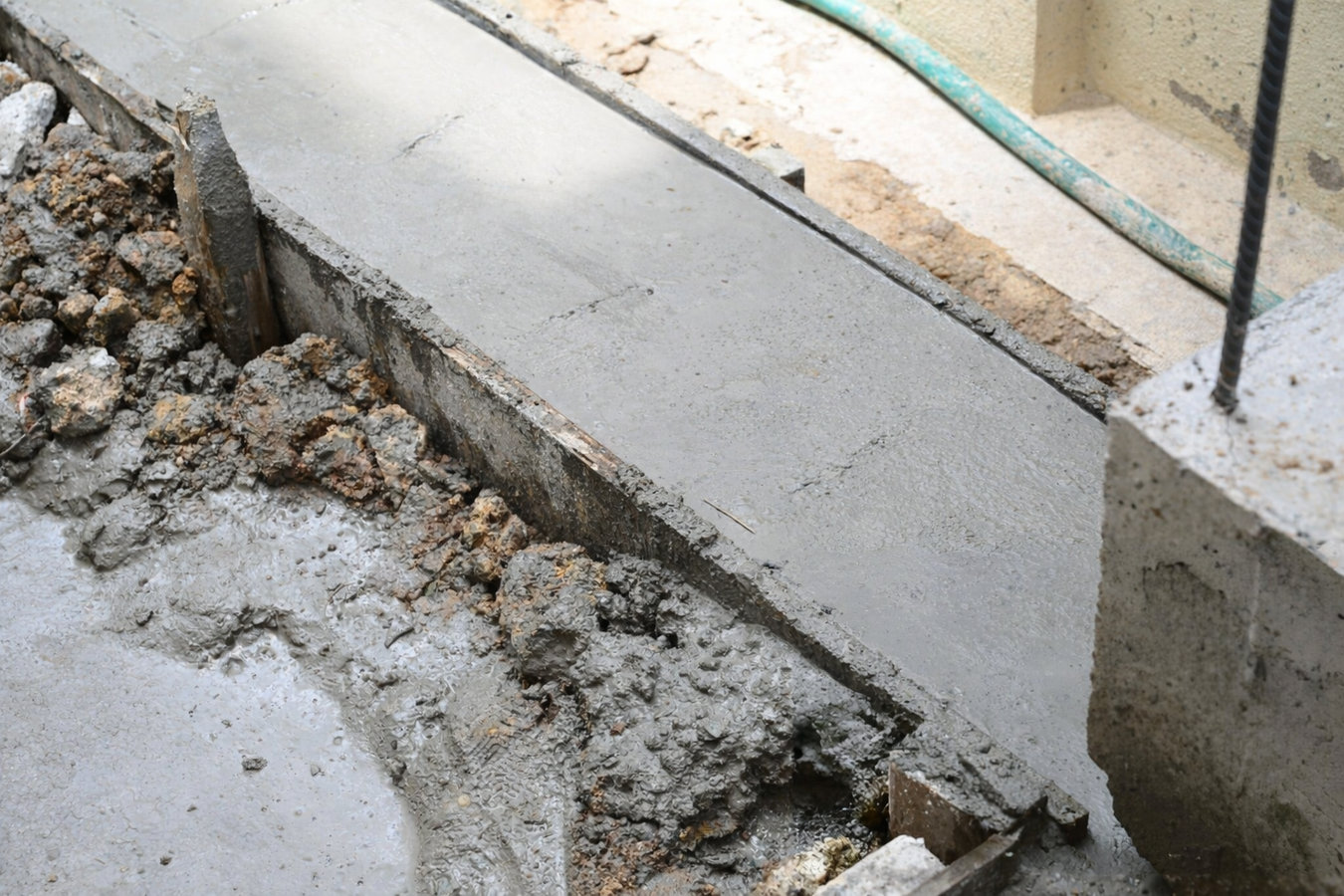
Sunken driveways, patios, and garage floors do not fix themselves in Wyoming. We lift settled concrete back to level without tearing it out, and most jobs are done the same day you call.
Foundation raising in Cheyenne lifts a sunken concrete slab back to its original level by drilling small holes and pumping material underneath to fill voids and push the concrete up - most residential jobs complete in a single day, and you can walk on the surface within hours of the work finishing.
Yes, it works here - and it is one of the more common concrete repairs in Cheyenne precisely because the local conditions create the problem so often. The city sits at just over 6,000 feet, sees hard winters with repeated freeze-thaw cycles, and has clay-heavy soils across many Laramie County neighborhoods. That combination erodes soil from under slabs year after year, creating the voids that cause settling. Foundation raising in Cheyenne is not a temporary patch - when the underlying drainage issue is also addressed, a well-executed lift can last a decade or more.
If your concrete is too deteriorated to raise, we will tell you so honestly and point you toward our slab foundation building service instead, where we remove the old concrete and pour new.
If a ball rolls on its own across a room, or furniture seems to tilt, your foundation may have shifted. In Cheyenne, this is especially common in older homes where the original soil was not well compacted before construction. It does not always mean a serious structural problem, but it is worth having someone look before it gets worse.
When a foundation moves, the frame of your home shifts with it, and that shift shows up first in doors and windows that suddenly feel tight or will not latch. If this happens in spring after a wet season or following a hard winter, it is a common sign that Cheyenne's freeze-thaw cycle has moved something underneath your home.
Cracks that run diagonally across a concrete slab - especially ones wider on one end than the other - often mean one section has dropped relative to another. Cheyenne's clay soils and temperature swings make this kind of cracking very common. A crack you can slip a quarter into is wide enough to warrant a professional opinion.
Walk around the outside of your home after a dry stretch and look where the soil meets your foundation wall. If you can see a gap - even a small one - the soil has pulled away, which is exactly the condition that leads to further settling. This is particularly common in Cheyenne during late summer when clay soil dries out and shrinks.
We handle foundation raising for driveways, patios, pool decks, garage floors, sidewalks, and basement floors across Cheyenne. Every job starts with a site walk where we assess the slab condition, probe the soil, and identify what caused the void. We then explain the method we are recommending, give you a written estimate, and schedule the work. We use both mudjacking and foam injection depending on what your specific soil conditions and slab weight call for.
For homeowners whose slabs are too deteriorated to raise, we will say so during the assessment and recommend our concrete cutting service to remove the compromised sections cleanly, followed by new concrete. If the issue starts at the structural foundation level - not just a surface slab - our slab foundation building service covers new construction from the ground up.
For homeowners with larger voids or heavier slabs who need a durable, cost-effective lift using a cement-and-soil slurry.
For homeowners who want faster curing, smaller drill holes, and a lightweight fill material - common for driveways and patios.
For homeowners dealing with trip hazards and uneven flatwork caused by soil movement under their driveway or front walk.
For homeowners whose garage floor or basement slab has settled away from the walls or developed a noticeable slope.
Cheyenne sits at just over 6,000 feet elevation and regularly sees temperatures swing from well below freezing in winter to warm and dry in summer. That repeated freeze-thaw cycle is one of the most common reasons concrete slabs sink here. The soil expands when it freezes and contracts when it thaws, and over many years that movement creates voids under your slab. Cheyenne also averages only about 15 inches of precipitation per year, but when summer thunderstorms do arrive, they deliver rain fast - and that rapid runoff washes soil out from under slabs before it has a chance to absorb. Combine those climate factors with the clay-heavy soils found across much of Laramie County, and foundation settling becomes almost routine in neighborhoods that have been here for more than a few decades.
Many of the calls we get come from homeowners in Cheyenne's older established neighborhoods closer to downtown, where homes were built in the 1950s through 1980s on soil that was not compacted to modern standards. We also serve homeowners on the west side of the city near Laramie, WY and further south toward Fort Collins, CO, where similar soil and climate conditions create the same pattern of settling across the Front Range.
We respond within 1 business day. We will ask where the problem is and how long it has been going on. You do not need to prepare anything for this first call - just describe what you have noticed in plain terms.
We walk the affected area, probe the soil, and check for what caused the settling. This visit usually takes 30 to 60 minutes and results in a written estimate that explains what we found and why we are recommending a particular approach.
Before the crew arrives, you will need to clear the area - move vehicles off a driveway, remove furniture from a patio, or clear a garage floor. We will tell you exactly what needs to be moved and how much time to allow.
The crew drills small holes, pumps material to fill the void and raise the slab, then patches each hole with a cement mix. Most residential jobs finish in a single day. Walk the area with us before we leave and ask about anything you should watch for in the coming weeks.
We respond within 1 business day. No obligation, no pressure - just a straight answer about what your slab needs and what it will cost.
(307) 475-1948Cheyenne sees more than 100 freeze-thaw cycles per year at over 6,000 feet elevation, making foundation settling one of the most common concrete problems in the city. We assess the drainage and soil conditions that caused the void - not just the visible slab - so the lift lasts rather than settling again next season.
Most foundation raising jobs in Cheyenne are completed in a single day, and you can walk on the surface within hours. We work efficiently so you are not blocking off your driveway for a week or rearranging your schedule around an extended repair. A clear timeline is part of every estimate we give.
Not every sunken slab can or should be raised. We assess the condition of your concrete before recommending a lift, and we will tell you honestly if replacement is the better option. A lift job on a badly deteriorated slab will not hold, and we will not recommend it just to get the work.
You will receive a written estimate that covers labor, materials, and what happens to the drill holes when the work is done - before any equipment touches your property. The American Concrete Institute recommends documented repair scopes for any structural concrete work, and we treat every job accordingly.
Foundation settling in Cheyenne is rarely a sign that something unusual went wrong with your home - it is a predictable result of the climate and soils here. What matters is working with a contractor who understands those local conditions and addresses the cause, not just the visible symptom. The American Concrete Institute and the Concrete Network both document how proper void assessment and drainage correction extend the life of a slab lift.
Precision cuts to remove damaged slab sections cleanly before repair or replacement work begins.
Learn moreNew slab construction for homes, garages, and additions when raising the existing concrete is no longer the right option.
Learn moreCheyenne's freeze-thaw season starts earlier than most homeowners expect - call now while the ground is still workable and good contractors still have openings on the schedule.